
Oily skin or dehydrated skin: two states, two protocols
Oil and water are two different things. Skin can shine and be short of water at the same time.
· Hajar Atila, registered nurse
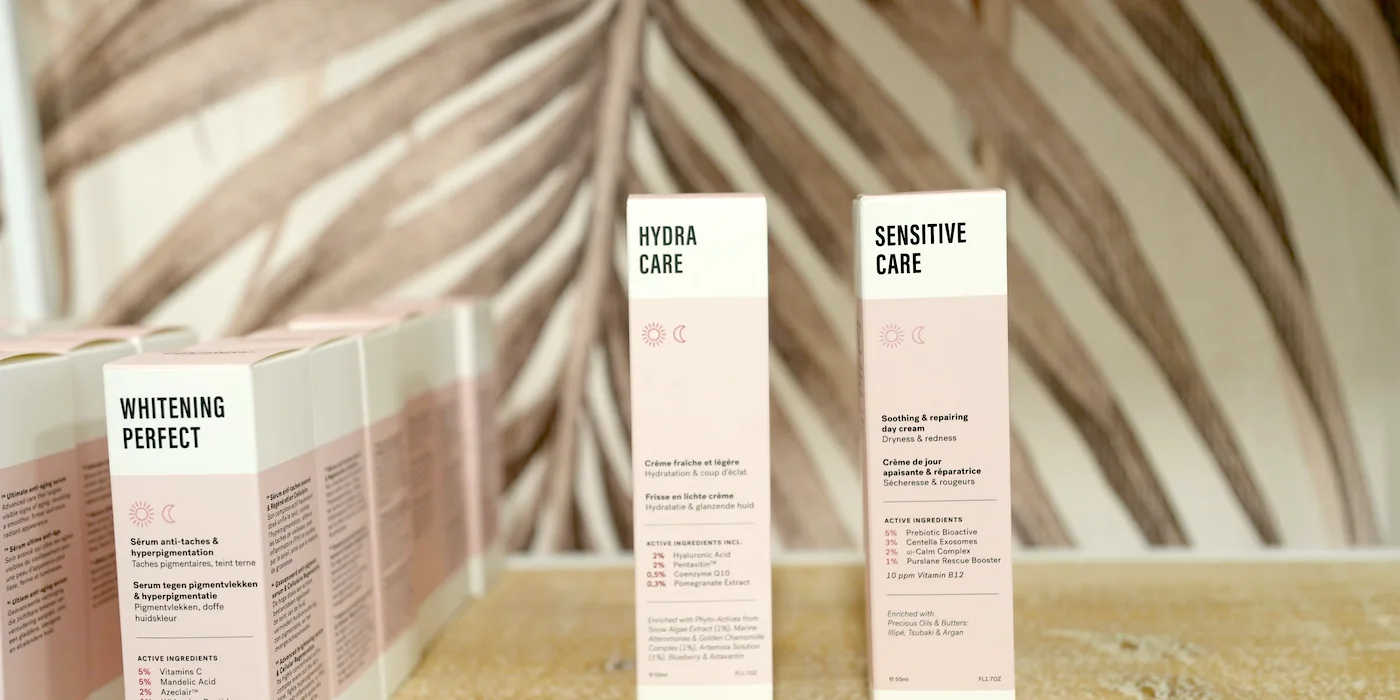
Skin can shine at midday and feel tight in the evening. The two coexist perfectly well: sebum and water follow two separate circuits, and you can have too much of one while lacking the other.
The difference, in one sentence
Thetypeof skin — oily, combination, dry — depends on how much sebum it produces. It is largely genetic and it shifts little. Thestateof the skin — dehydrated or not — depends on the water it holds. It changes with the season, the heating, sleep, the products used.
In other words: the type, you live with; the state, you correct.
How to tell them apart
- Oily skin.Shine from the middle of the day, visible pores on the T-zone, a tendency to blackheads. Make-up “slides”.
- Dehydrated skin.A feeling of tightness, dull tone, fine lines that appear in the evening and fade by morning. Products sting more than usual.
- Both.It is common, and it is often the result of cleansing that strips too much: the protective film goes, the skin loses its water and produces more sebum to compensate.
The circle we keep going without knowing it
Shiny skin → very foaming cleanser → damaged barrier → water evaporating → skin producing more sebum → shiny skin. You enter it trying to do the right thing, and you leave it by doing less.
What helps, simply
A gentle cleanser, morning and evening, no more than that. Light hydration even on oily skin — rehydrated skin calms down. A sebum-regulating active if the shine really bothers you, but not every day to begin with. And a sunscreen, which is also a barrier treatment.
At the practice, the point of an infusion of actives is to bring hydration in deeper than a cream spread by hand, without adding any oils. This is precisely the case where oily skin needs water.
When to see a doctor
Persistent redness with visible vessels, flaking patches, skin that burns at the slightest product: these are inflammatory pictures — rosacea, seborrhoeic dermatitis, eczema — that are treated medically. Aesthetic treatments come afterwards, and only once the skin has calmed.
Something here that applies to you? The first appointment lasts twenty minutes and is there to look, not to sell.
Book an appointment See all 30 treatmentsAlso worth reading
Cellea assistant
The questions we are asked most often.
How much does it cost?
All prices are on the treatments page, from €55 to €175 depending on the treatment and its length. The number of sessions is decided during the history-taking, and you are given the priced protocol in writing at the end of the first appointment.
Does it hurt?
The DermoOne™ works without a needle: a jet of compressed air drives the serums in. Microneedling does use sterile micro-needles, with cool air for comfort. Both are explained to you beforehand.
What happens at the first appointment?
Twenty minutes of intake, and a written protocol at the end. Bring the list of your current treatments, creams and supplements included: it is what guides the choice of active ingredients.
How is the session paid for?
You request your slot online, the practice confirms it by email, and payment is made at the practice on the day of the session. To move an appointment, let us knowat least 24 hours in advance: the slot goes to someone else.