
Back acne: why it is more stubborn than acne on the face
The area that stays out of reach of your hands, and what makes it more stubborn.
· Hajar Atila, registered nurse
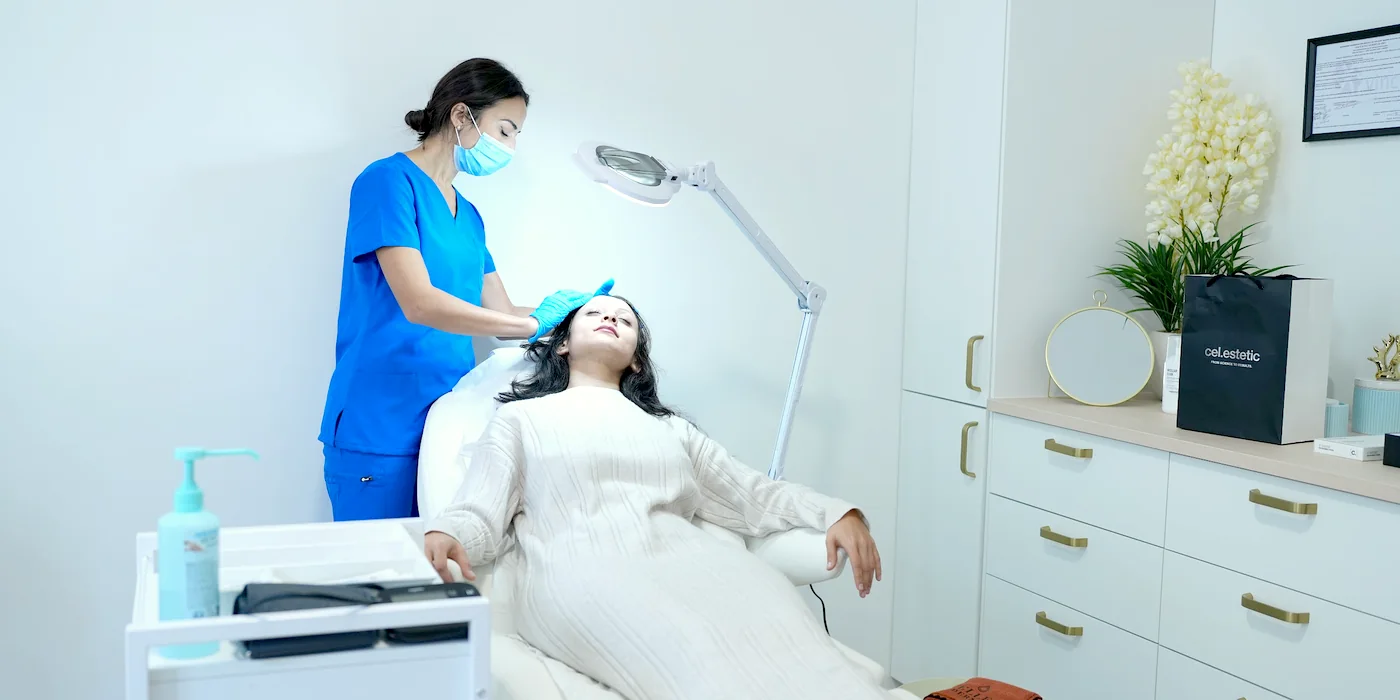
Back acne has its own logic. It has three particular features, and each one explains why it calls for its own approach.
Thicker skin
The dermis on the back is distinctly thicker than on the cheeks, and the follicles there sit deeper. It takes an active ingredient that reaches the depth where it works, and thicker skin asks for more of it. That is the first reason a facial treatment gives little result on the back.
Friction and perspiration
Rucksacks, car seats, sportswear, straps: the back is under constant friction. Add perspiration held under fabric, and you have the conditions forfolliculitis— an inflammation of the follicle that resembles acne without quite being it. The two often live side by side.
One simple and very effective habit: change clothes within the hour after exercise. Staying in damp fabric does more harm than a missed cleanse.
The area is treated blind
That is the most ordinary reason and the most decisive one. Product goes on by guesswork, the shoulder blades get missed, and progress stays invisible. Many treatments finally give a result as soon as a trained hand covers the whole surface.
What we do at the practice
A full back treatment works in three stages: deep cleansing over the whole surface, including the parts hands reach least; extraction of the softened plugs, with air; then a soothing active ingredient to calm the inflammation and limit marks.
The usual rhythm is four to five sessions close together, then maintenance. Skin on the back marks for longer than skin on the face: post-inflammatory redness can take several months to fade, and that is normal.
Protect from the sun, on your back too
A post-inflammatory mark exposed to the sun darkens and settles in. That is the one real summer emergency for a back that has been treated.
When to see a doctor
Painful nodules, lesions that leave sunken scars, or a sudden widespread flare call for a dermatologist's opinion. An eruption that itches a great deal, with small pustules all alike, points instead to an infectious or yeast folliculitis: it is treatable, and it is the doctor who treats it.
Something here that applies to you? The first appointment lasts twenty minutes and is there to look, not to sell.
Book an appointment See all 30 treatmentsAlso worth reading
Cellea assistant
The questions we are asked most often.
How much does it cost?
All prices are on the treatments page, from €55 to €175 depending on the treatment and its length. The number of sessions is decided during the history-taking, and you are given the priced protocol in writing at the end of the first appointment.
Does it hurt?
The DermoOne™ works without a needle: a jet of compressed air drives the serums in. Microneedling does use sterile micro-needles, with cool air for comfort. Both are explained to you beforehand.
What happens at the first appointment?
Twenty minutes of intake, and a written protocol at the end. Bring the list of your current treatments, creams and supplements included: it is what guides the choice of active ingredients.
How is the session paid for?
You request your slot online, the practice confirms it by email, and payment is made at the practice on the day of the session. To move an appointment, let us knowat least 24 hours in advance: the slot goes to someone else.